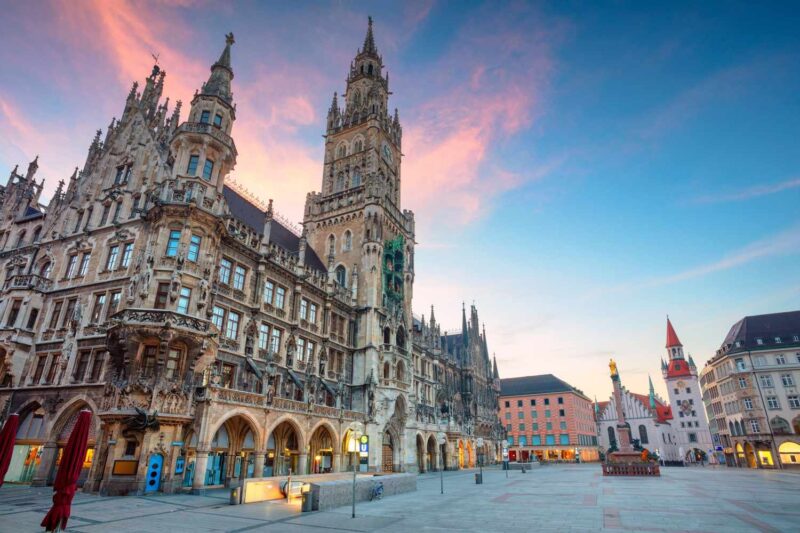
Germany is a year round destination, but the best time to visit depends on what kind of experience you are looking for. From sunny summer days and lively festivals to cozy winter markets and fewer crowds, each season offers something unique. Understanding the differences between seasons will help you plan the perfect trip based on your preferences.
Spring and Early Summer: Ideal Weather and Fewer Crowds
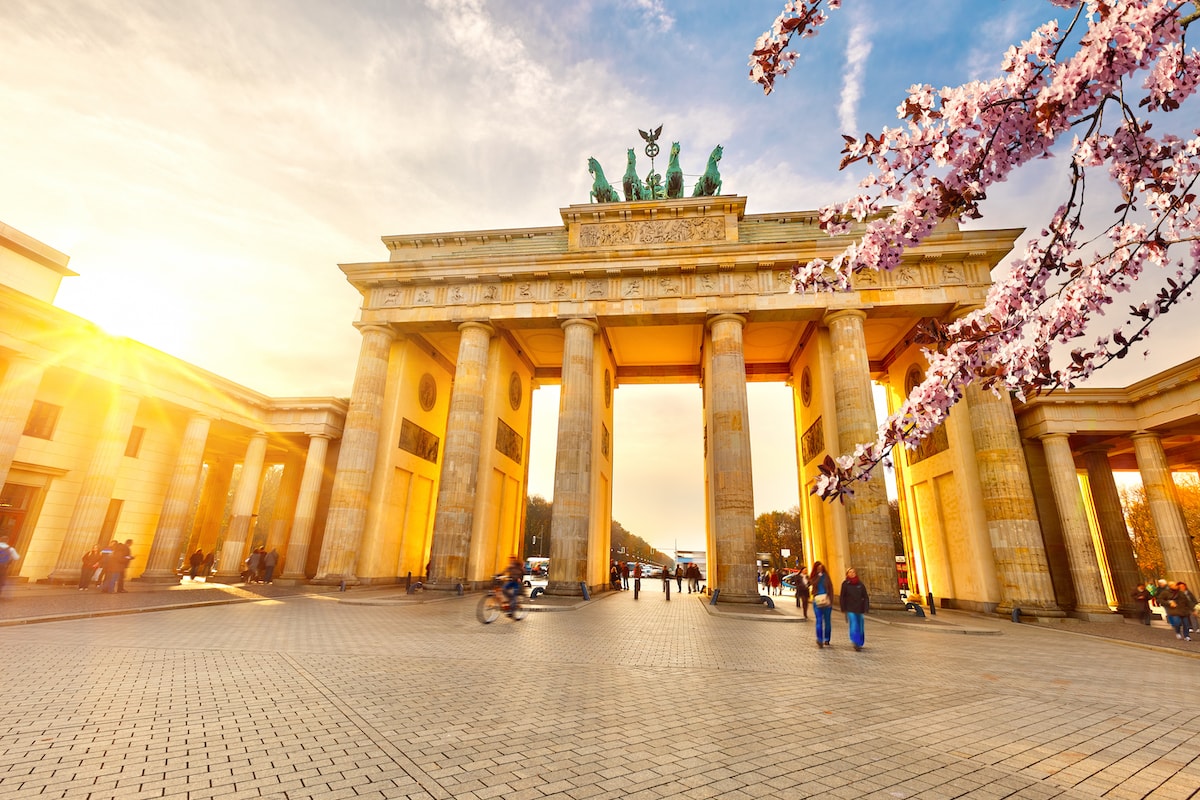
Spring, from April to June, is often considered one of the best times to visit Germany. The weather becomes mild, flowers begin to bloom, and cities feel more relaxed compared to peak tourist months. Temperatures are comfortable for sightseeing, making it a great time to explore cities like Berlin, Munich, and Heidelberg.
During this period, you can enjoy outdoor cafes, parks, and local events without dealing with large crowds. Prices for accommodation and flights are also generally more reasonable than in peak summer season.
Some travelers who seek a more refined and personalized experience during their trip also explore options like escort service München, adding a tailored and exclusive dimension to their stay.
Summer: Festivals, Warm Weather, and High Energy
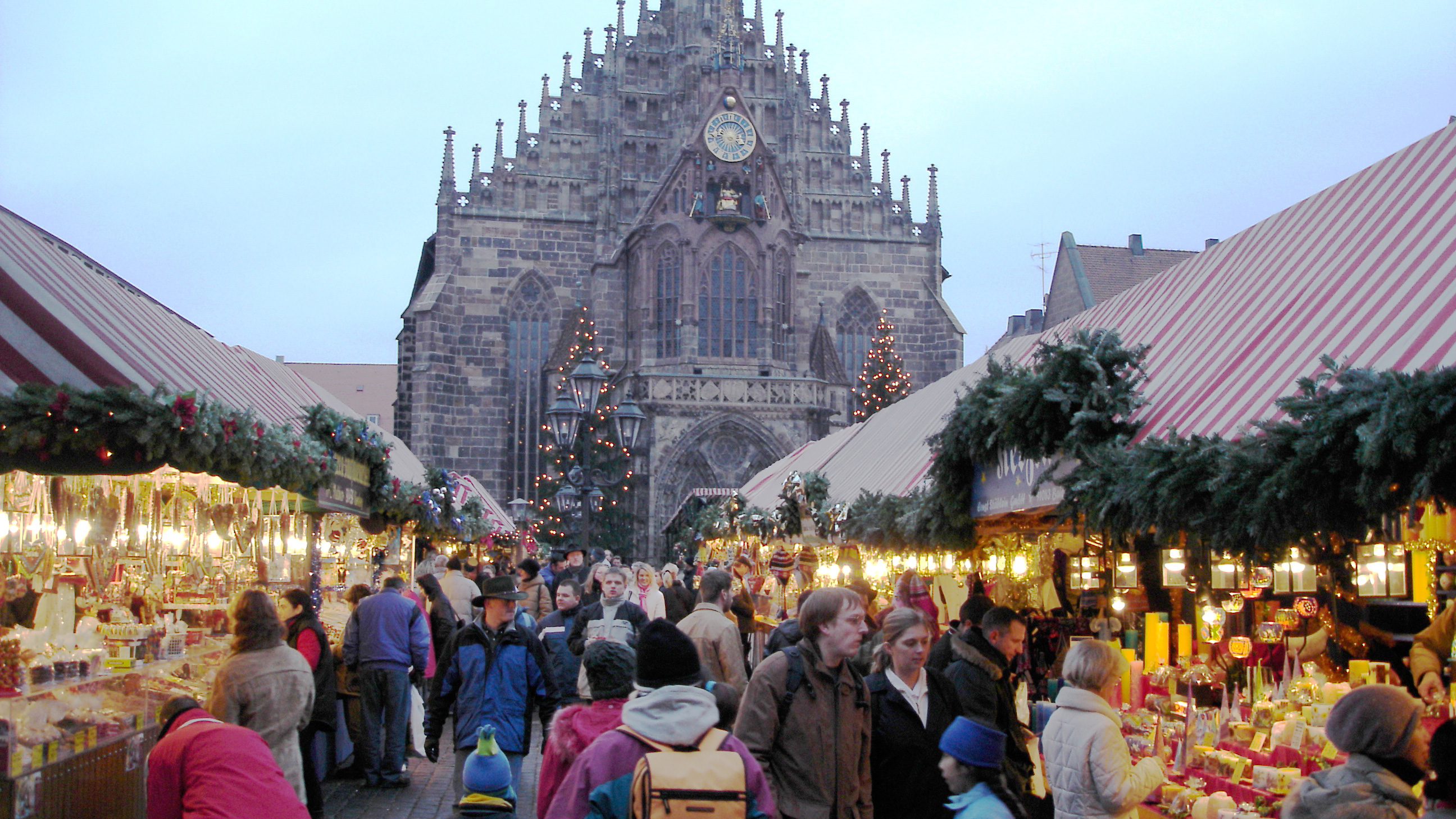
Summer, from July to August, is the busiest time to visit Germany. The weather is warm, with long daylight hours that allow you to explore more each day. This is the perfect season for outdoor activities, festivals, and enjoying beer gardens, especially in regions like Bavaria.
Major cities host numerous events, concerts, and cultural festivals, creating a lively atmosphere. However, this popularity also means higher prices for accommodation and more crowded attractions.
If you plan to visit during summer, booking in advance is highly recommended to secure better deals and availability.
Autumn and Winter: Seasonal Charm and Lower Costs
Autumn, from September to November, offers cooler temperatures and beautiful landscapes as the leaves change color. It is also the season of Oktoberfest in Munich, one of the most famous festivals in the world.
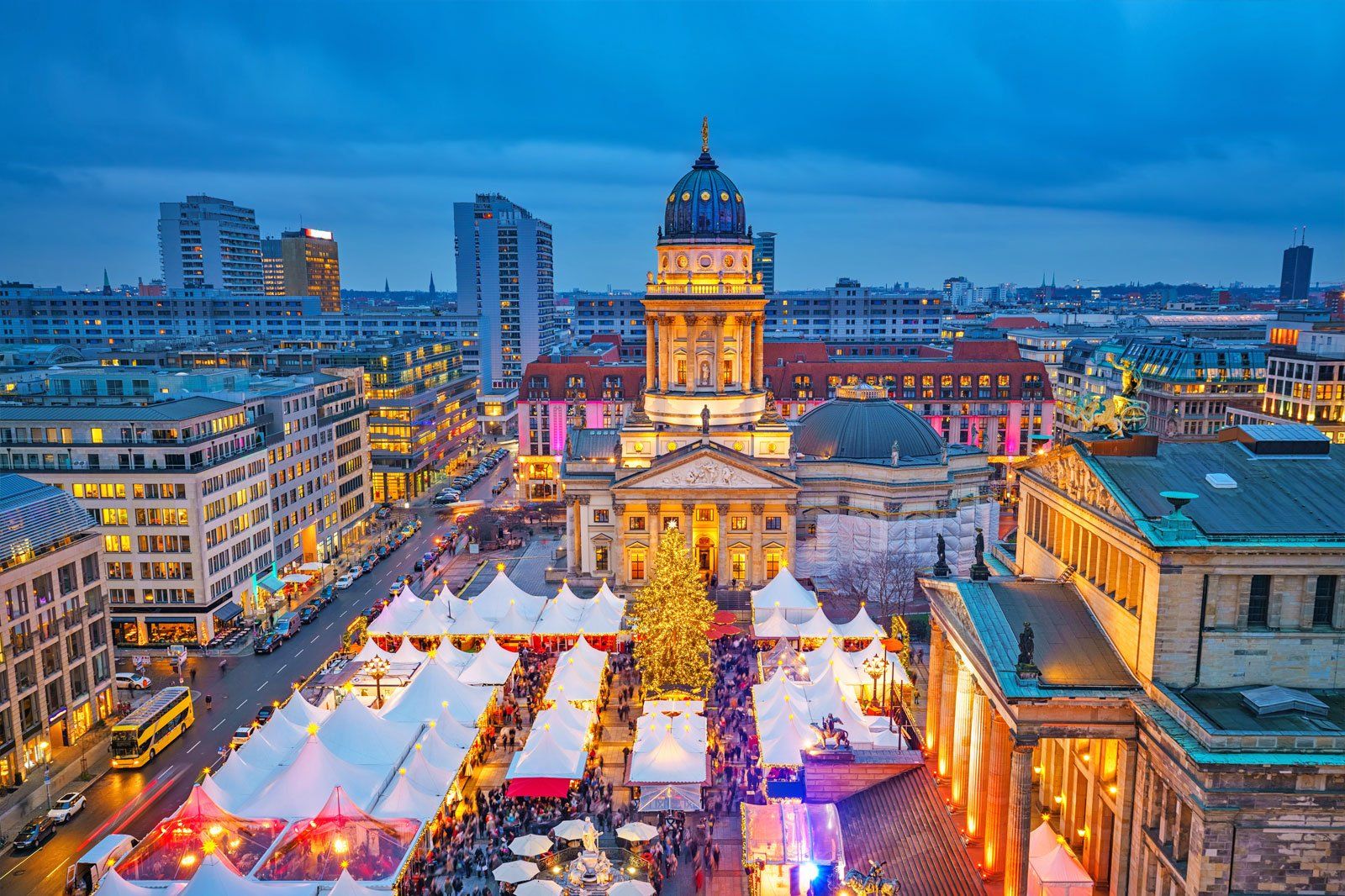
Winter brings a completely different experience. From late November to December, Germany is known for its magical Christmas markets, where you can enjoy festive decorations, traditional food, and warm drinks.
Outside the holiday season, winter is the least crowded and most budget friendly time to visit. While temperatures are colder, the peaceful atmosphere and lower prices make it appealing for many travelers.
Conclusion
The best time to visit Germany depends on your priorities. Spring and early summer offer the best balance of weather and crowd levels, summer provides the most energy and events, while autumn and winter bring seasonal charm and often lower costs. No matter when you choose to visit, Germany offers a rich and memorable experience throughout the year.