Accessing the internet in remote locations can be challenging, but it is no longer impossible. Whether you are working, traveling, or managing operations in rural or isolated areas, staying connected has become essential. Reliable internet access supports communication, navigation, data sharing, and business continuity. However, remote environments often lack traditional infrastructure, which means alternative solutions must be considered.
Understanding the available technologies and planning ahead can make a significant difference. With the right approach, you can achieve stable and efficient connectivity even in areas far from urban networks.
Understand Available Technologies and Data Requirements

Before choosing a solution, it is important to understand your data needs and how they will be managed. Many remote operations rely on structured systems such as a Data Lake to store and process large volumes of information. This makes it even more critical to ensure consistent and reliable internet access.
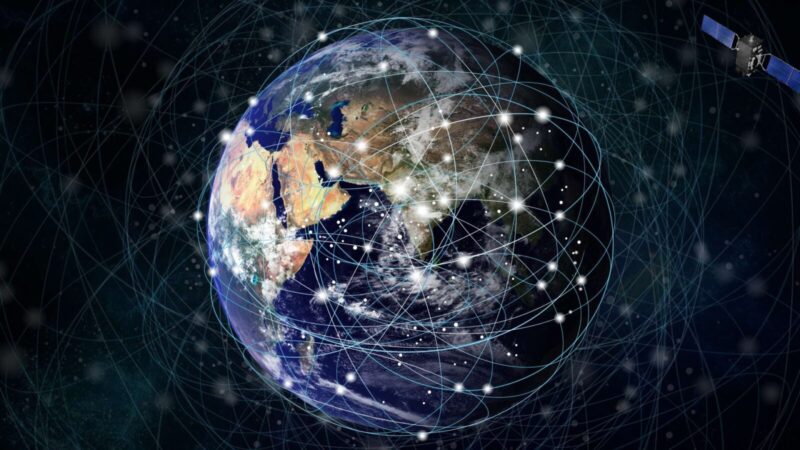
There are several technologies available for remote connectivity. Satellite internet is one of the most common options, offering coverage in areas where traditional networks are unavailable. Mobile networks such as 4G and 5G can also be used if there is some signal coverage, often enhanced with signal boosters for better performance.
Each option comes with its own advantages and limitations. Satellite connections provide wide coverage but may have higher latency, while mobile networks can offer faster speeds but depend on signal strength. Understanding these differences helps you choose the best solution for your specific needs.
Plan Equipment and Setup for Reliable Connection
Having the right equipment is essential for maintaining a stable connection in remote areas. This may include satellite dishes, routers, signal boosters, and external antennas. The quality and placement of this equipment can significantly impact performance.
Positioning is especially important. Antennas and receivers should be placed in areas with minimal obstruction, such as open spaces or elevated positions. Trees, hills, and buildings can interfere with signals and reduce connection quality.
Power supply is another key consideration. In remote locations, access to electricity may be limited, so using backup power solutions such as generators or solar systems ensures that your internet connection remains active at all times.
Manage Usage and Optimize Performance
In remote environments, bandwidth may be limited, making it important to manage usage carefully. Prioritizing essential tasks such as communication and data transfer helps maintain performance and avoids unnecessary slowdowns.
Using data compression tools and limiting high bandwidth activities can improve efficiency. Scheduling large uploads or downloads during off peak times also helps maintain a more stable connection.
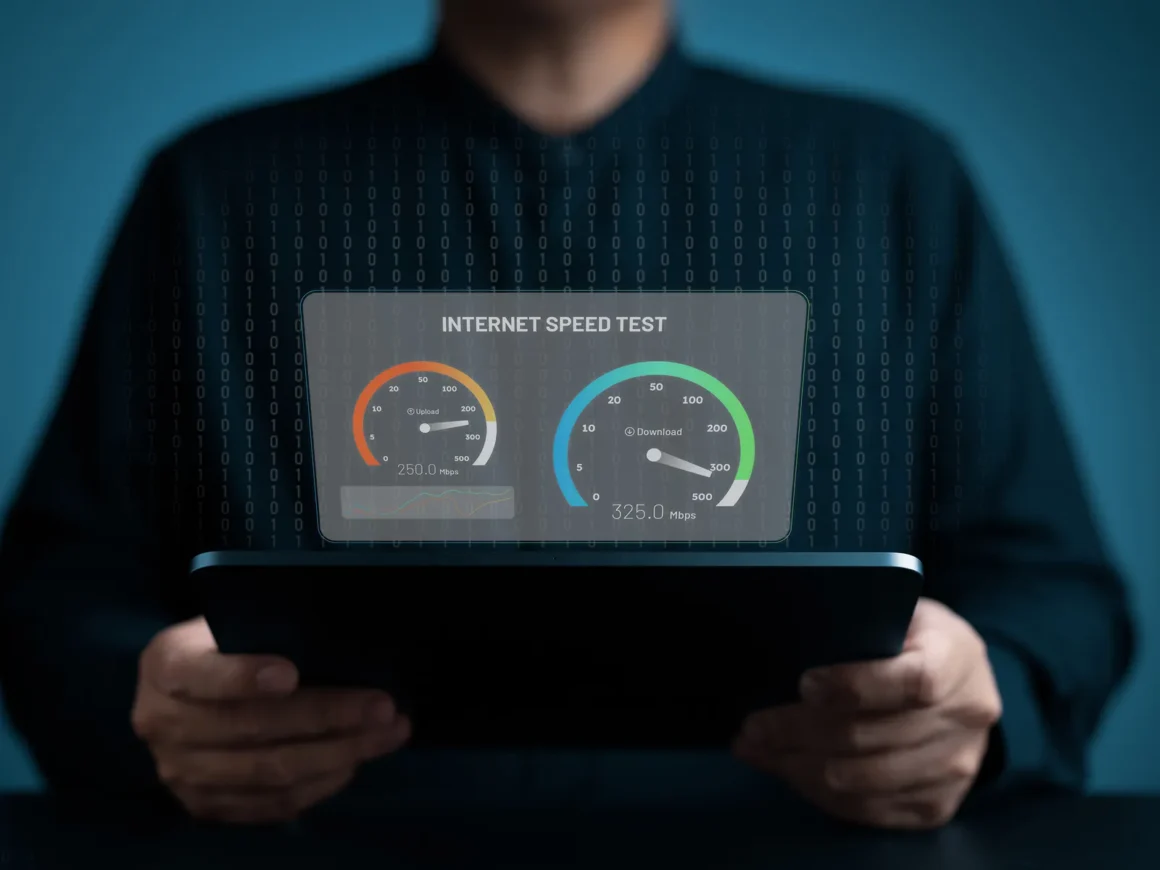
Monitoring performance regularly allows you to identify issues early. If connection quality drops, adjustments to equipment or usage patterns can often resolve the problem quickly.
Conclusion
Accessing the internet in remote locations requires careful planning, the right technology, and efficient usage. By understanding your data needs, selecting suitable equipment, and managing bandwidth effectively, you can achieve reliable connectivity even in challenging environments. With the right setup, remote internet access becomes a practical and dependable solution for both personal and professional needs.